Understanding Hormonal Hair Loss in Women: Causes and Solutions

Introduction
Have you ever noticed your hairbrush collecting more strands than usual after having a baby? Or maybe you're experiencing unexpected thinning during menopause? You're definitely not alone. Hormonal hair loss affects millions of women worldwide, and the good news is—it's often temporary and manageable.
As someone who's helped countless women navigate these changes, I've seen firsthand how understanding the "why" behind hormonal hair loss can be incredibly empowering. Let's dive into what's really happening with your hair and, more importantly, what you can do about it.
Why Hormones Control Your Hair
Think of your hormones as the conductors of an orchestra—when they're in harmony, everything works beautifully. But when they're out of sync? Your hair is often one of the first instruments to play off-key.
Hair growth follows a natural cycle, and hormones are the maestros directing each phase. Estrogen, progesterone, testosterone, and thyroid hormones all play crucial roles in determining how long your hair grows, how thick it is, and when it decides to shed.
The Big Three: Pregnancy, Postpartum, and Menopause
Pregnancy Hair Loss: The Paradox
During pregnancy, many women experience thick, luscious hair. That's because elevated estrogen levels keep more hairs in the growth phase. It's like your hair is on vacation—enjoying an extended stay!
But here's the catch: what goes up must come down. After delivery, estrogen levels plummet, and all those hairs that were supposed to shed during pregnancy? They make their exit at once. This is called postpartum telogen effluvium, and it typically peaks around 3-6 months after giving birth.
The reality check: Losing 300-500 hairs per day after childbirth might seem alarming, but it's actually your body's way of resetting. Most women see improvement within 6-12 months.
Menopause and Perimenopause
As women approach menopause, declining estrogen and progesterone levels can tip the hormonal balance toward androgens (male hormones). This can lead to:
- Thinning at the crown and temples
- Wider part lines
- Reduced overall hair volume
- Slower hair growth
Unlike postpartum shedding, menopausal hair changes tend to be more gradual and, unfortunately, more permanent without intervention.
Other Hormonal Culprits
Thyroid Disorders
Your thyroid is like your body's thermostat, regulating metabolism—including hair growth. Both hypothyroidism (underactive thyroid) and hyperthyroidism (overactive thyroid) can cause diffuse hair thinning.
PCOS (Polycystic Ovary Syndrome)
This hormonal disorder causes elevated androgen levels, which can lead to:
- Male-pattern baldness in women
- Hair thinning on the scalp
- Paradoxically, unwanted hair growth on face and body
Birth Control and HRT
Starting, stopping, or switching hormonal contraceptives or hormone replacement therapy can trigger temporary hair shedding as your body adjusts to new hormone levels.
Signs Your Hair Loss is Hormonal
How can you tell if hormones are the culprit? Look for these clues:
- Timing matters: Hair loss coincides with pregnancy, childbirth, menopause, or starting/stopping birth control
- Diffuse thinning: Hair loss is spread across the entire scalp rather than in patches
- Other symptoms: Irregular periods, weight changes, mood swings, or fatigue
- Gradual progression: Changes develop over months, not days or weeks
If you're experiencing sudden, patchy hair loss or severe shedding, definitely consult a healthcare provider to rule out other conditions.
Solutions That Actually Work
The Foundation: Balanced Diet for Hair Growth
You can't out-supplement a poor diet. Your hair needs:
- Protein: Hair is made of keratin, a protein. Aim for lean meats, fish, eggs, or plant-based alternatives
- Iron: Essential for carrying oxygen to hair follicles. Found in spinach, red meat, and lentils
- Omega-3 fatty acids: Nourish the scalp and support healthy hair growth
- B vitamins: Particularly B7 (biotin) and B12 for hair structure
- Zinc and selenium: Support thyroid function and hair follicle health
Lifestyle Adjustments
Stress management is crucial. High cortisol levels can exacerbate hormonal imbalances. Try:
- Daily meditation or deep breathing
- Regular exercise (but not excessive—over-exercising can worsen hair loss)
- Adequate sleep (7-9 hours nightly)
- Gentle hair care practices (avoid tight hairstyles and excessive heat)
Targeted Supplementation
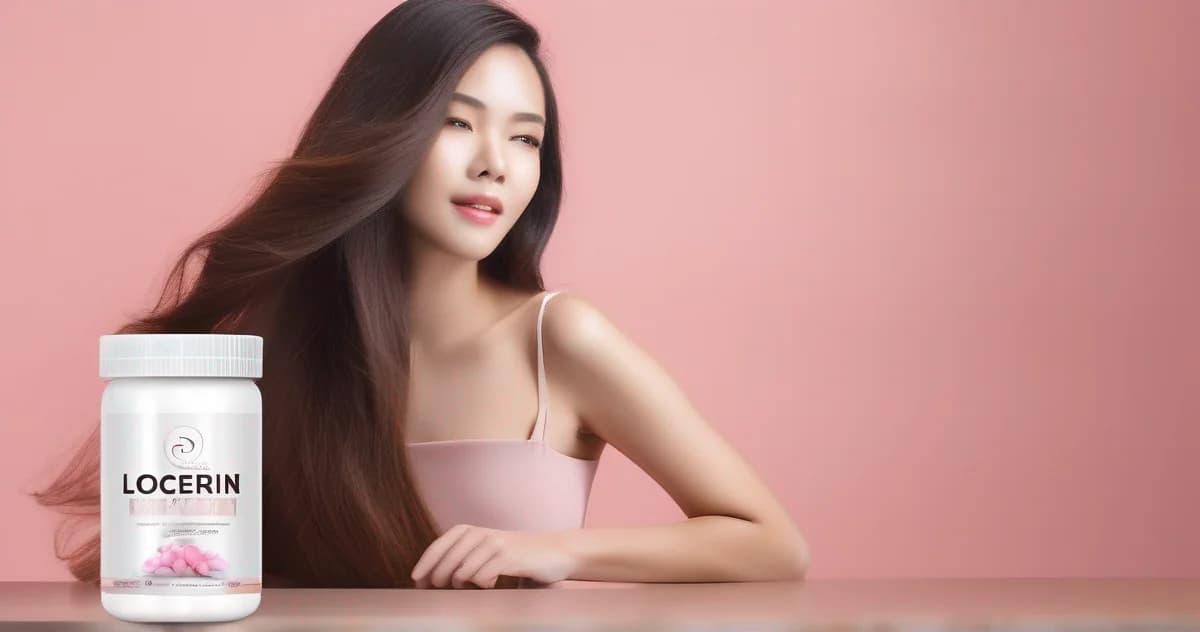
While diet comes first, targeted supplements can provide extra support during hormonal transitions. Locerin is specifically formulated for women experiencing hair loss, combining essential nutrients like:
- Biotin and B vitamins for hair strength
- Horsetail extract and nettle for scalp health
- Selenium and zinc for hormonal balance
- Amino acids for building keratin
The key is consistency—hair supplements typically need 3-6 months to show visible results because of the hair growth cycle.
Medical Interventions
For persistent hormonal hair loss, consider discussing these options with your healthcare provider:
- Thyroid medication if thyroid function is impaired
- Minoxidil (Rogaine) for female pattern hair loss
- Spironolactone for androgen-related thinning
- Hormone replacement therapy during menopause (with careful consideration of risks and benefits)
The Timeline: What to Expect
Postpartum hair loss: Typically resolves within 6-12 months without intervention
Thyroid-related loss: Improvement begins 2-4 months after thyroid levels normalize
Supplement support: Visible changes in 3-6 months with consistent use
Menopausal thinning: Ongoing management needed, but improvements visible in 4-6 months with proper intervention
When to Seek Professional Help
Don't hesitate to consult a doctor if you experience:
- Sudden or severe hair loss
- Hair loss accompanied by scalp pain, redness, or inflammation
- Patches of complete baldness
- Hair loss plus other concerning symptoms (unexplained weight loss, severe fatigue, etc.)
- No improvement after 6-12 months of conservative measures
A healthcare provider can order hormone panels, thyroid tests, and other diagnostics to identify underlying issues.
Embracing the Journey
Here's what I want you to remember: hormonal hair loss while pregnant, after childbirth, or during menopause is incredibly common. Your body is going through remarkable changes, and hair loss is often a temporary side effect of that transformation.
Be patient with yourself. Hair grows slowly—about half an inch per month—so visible improvements take time. Focus on nourishing your body from within with a balanced diet for hair growth, managing stress, and giving your hair follicles the nutrients they need to thrive.
And remember, you're not alone in this journey. Millions of women navigate these same challenges, and with the right support—whether it's lifestyle changes, targeted supplements like Locerin, or medical treatments—you can restore your hair's vitality.
Conclusion
Hormonal hair loss in women is a complex but manageable condition. Whether you're dealing with pregnancy hair loss, postpartum shedding, menopausal thinning, or thyroid-related changes, understanding the root cause is the first step toward solution.
By combining a nutrient-rich diet, stress management, gentle hair care, and targeted supplementation when needed, you can support your body's natural healing process. Give yourself grace, stay consistent with healthy habits, and trust that improvement is possible.
Your hair is resilient, just like you. With time, patience, and the right approach, you can navigate hormonal changes while maintaining beautiful, healthy hair.
Disclaimer: This article is for informational purposes only. Locerin is a dietary supplement, not medicine. Please consult your healthcare provider before starting any new supplement regimen, especially if you're pregnant, nursing, or have underlying health conditions.
Related articles
Ultimate Hair Growth Diet: Foods That Transform Your Hair
Discover the science-backed foods and nutrients that promote healthy hair growth from a certified nutritionist's perspective.
Getting Started with Healthy Hair: A Complete Guide
Discover the essential steps to achieve and maintain healthy, beautiful hair with science-backed tips and expert advice.
Weight Loss and Hair Loss: How to Protect Your Hair
Losing weight but also losing hair? Discover why crash diets trigger hair shedding and how to keep your locks healthy while reaching your fitness goals.