Seasonal Hair Loss: Why Hair Sheds More in Fall
Introduction
Have you noticed more hair in your brush lately? You're not imagining it. If you're experiencing increased hair shedding during autumn, you're actually part of a fascinating biological pattern that affects millions of women worldwide.
Seasonal hair loss is real, and fall is typically when it peaks. But here's the good news: understanding why it happens can help you manage it better and even minimize its impact on your gorgeous locks.
The Science Behind Seasonal Hair Shedding
Your hair follows natural cycles, and interestingly, these cycles are influenced by the changing seasons. Think of it like trees losing their leaves – your body has its own rhythms tied to nature.
Why Fall Triggers More Hair Loss
Research shows that hair shedding increases during September through November in the Northern Hemisphere. Here's what's happening:
-
Summer Sun Exposure - During summer, your body produces more hair to protect your scalp from UV rays. Come fall, this "extra" hair naturally sheds.
-
Hormonal Shifts - Seasonal changes affect hormone levels, particularly melatonin and prolactin, which influence the hair growth cycle.
-
The Telogen Phase - More hair follicles enter the resting (telogen) phase simultaneously in fall, leading to synchronized shedding about 2-3 months after summer ends.
It's completely normal to lose 50-100 hairs daily, but during fall, this number can increase to 150-200 strands. Don't panic – this is your body's natural response to seasonal changes.
Identifying Normal vs. Concerning Hair Loss
How do you know if your fall shedding is normal or something more serious?
Normal Seasonal Shedding
- Increased hair in your brush or shower drain
- No visible bald patches
- Hair feels thinner overall but not in specific areas
- Shedding lasts 2-3 months maximum
- New baby hairs visible along hairline
When to Worry
If you're experiencing these symptoms, it might be more than seasonal shedding:
- Noticeable bald patches or receding hairline
- Hair loss lasting longer than 3 months
- Clumps of hair coming out (not just individual strands)
- Scalp pain, itching, or inflammation
- Sudden, dramatic thinning
In these cases, consult with a healthcare provider to rule out conditions like alopecia, thyroid issues, or nutritional deficiencies.
Natural Strategies to Minimize Seasonal Hair Loss
While you can't completely stop seasonal shedding (it's natural!), you can support your hair health and minimize excessive loss.
Nutrition: Feed Your Hair From Within
Your hair needs specific nutrients, especially during shedding seasons:
Essential Nutrients for Fall Hair Health:
- Biotin - Strengthens hair structure
- Iron - Prevents excessive shedding (common deficiency in women)
- Vitamin D - Often low in fall as sunlight decreases
- Omega-3 Fatty Acids - Reduces inflammation in hair follicles
- Zinc - Supports hair growth cycle regulation
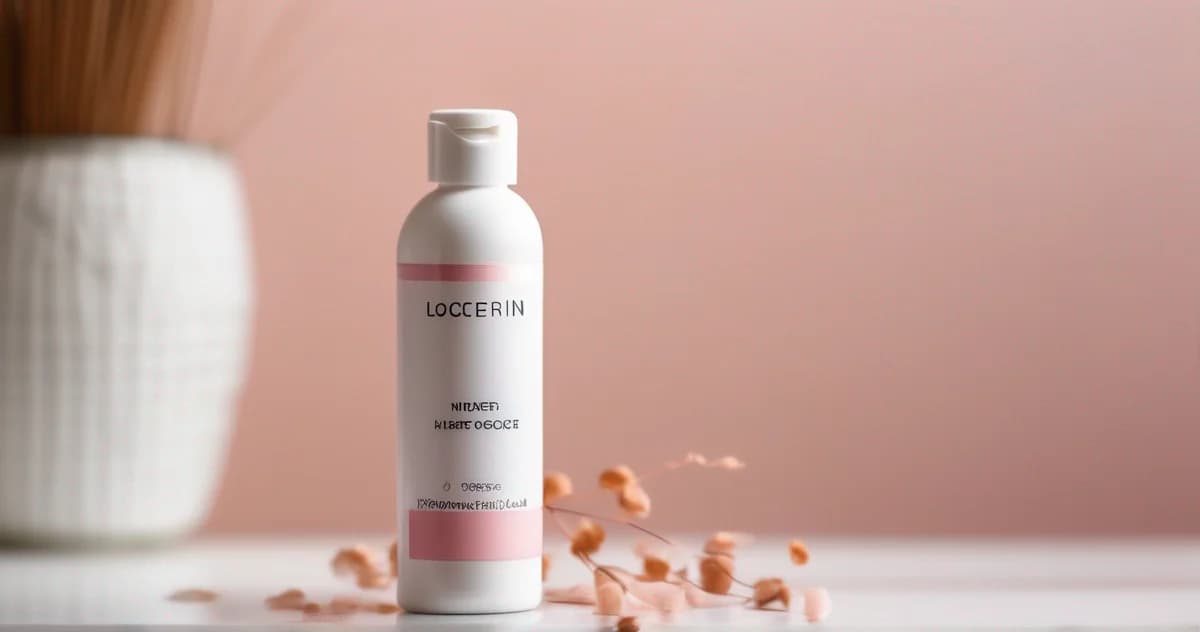
Consider incorporating foods rich in these nutrients: salmon, spinach, eggs, nuts, and sweet potatoes. If you struggle to get enough through diet alone, a comprehensive supplement like Locerin can fill those nutritional gaps with targeted support for women's hair health.
Scalp Care: Your Foundation for Healthy Hair
Think of your scalp as the soil where your hair grows. Healthy soil, healthy plants!
Fall Scalp Care Routine:
-
Weekly Scalp Massages - Spend 5-10 minutes massaging your scalp to boost circulation. This helps deliver nutrients to hair follicles and can stimulate growth.
-
Gentle Exfoliation - Once a week, use a gentle scalp scrub to remove buildup and dead skin cells that can clog follicles.
-
Moisturize - Fall air is drier. Apply lightweight oils like jojoba or argan oil to your scalp to prevent dryness and flaking.
Lifestyle Adjustments for Healthier Hair
Small changes can make a big difference:
Reduce Heat Styling - Already stressed hair doesn't need additional heat damage. Embrace your natural texture when possible, or use heat protectant sprays religiously.
Sleep Smart - Switch to silk or satin pillowcases to reduce friction while you sleep. This simple change can significantly reduce hair breakage.
Stress Management - Stress accelerates hair loss. Try yoga, meditation, or simply taking walks in nature (perfect for fall!). Check out our article on stress and hair loss for more strategies.
Stay Hydrated - Cooler weather doesn't mean you need less water. Hydration supports scalp health and hair growth.
The Role of Supplements in Seasonal Hair Care
While diet and lifestyle form the foundation, targeted supplementation can provide extra support during challenging seasons.
Quality hair supplements formulated specifically for women, like Locerin, combine multiple beneficial ingredients that work synergistically:
- Standardized botanical extracts
- Vitamins in bioavailable forms
- Minerals that support the hair growth cycle
- Antioxidants to protect follicles
The key is consistency – supplements work best when taken daily over several months, not just during peak shedding seasons.
Creating Your Fall Hair Care Routine
Here's a practical weekly routine to support your hair through fall:
Daily:
- Gentle brushing with a wide-tooth comb
- Scalp massage (2-3 minutes)
- Take your hair supplement with breakfast
2-3 Times Weekly:
- Wash hair with lukewarm water
- Apply deep conditioning treatment
- Air dry when possible
Weekly:
- Scalp exfoliation
- Hair mask treatment
- Review your diet and adjust as needed
When Will Seasonal Shedding Stop?
Most women notice seasonal shedding tapering off by late November or early December. Remember, the hair you're losing now likely finished its growth cycle months ago – it's not a reflection of your current hair care routine.
The good news? Spring typically brings a growth phase, and many women notice increased hair growth and thickness as temperatures warm up.
Conclusion
Seasonal hair loss during fall is a normal biological phenomenon that affects most people to varying degrees. While it can be alarming to see more hair in your brush, understanding the science behind it can ease your worries.
By nourishing your body with proper nutrition, caring for your scalp, managing stress, and considering targeted supplements like Locerin, you can support your hair through this natural cycle and minimize excessive shedding.
Remember, hair health is a marathon, not a sprint. The steps you take today – eating nutrient-rich foods, establishing a gentle hair care routine, and supporting your overall wellness – will pay off in the form of stronger, healthier hair in the months to come.
So this fall, instead of stressing about every strand in your brush, focus on giving your hair the support it needs. Your future self (and your gorgeous hair) will thank you!
Disclaimer: This article is for informational purposes only. Locerin is a dietary supplement, not medicine. Please consult your healthcare provider before starting any new supplement regimen.
Related articles
Healthy Scalp, Healthy Hair: Your Complete Guide
Discover why scalp health is the foundation of beautiful hair and learn practical strategies to nurture your scalp for optimal growth.

Understanding Hormonal Hair Loss in Women: Causes and Solutions
Discover why hormonal changes trigger hair loss in women and learn practical strategies to restore healthy hair growth naturally.
Stress and Hair Loss: How to Break the Vicious Cycle
Discover the surprising connection between stress and hair loss, plus practical strategies to protect your hair during challenging times.