Weight Loss and Hair Loss: How to Protect Your Hair
Why Does Weight Loss Cause Hair Loss?
You've been working hard to shed those extra kilos, and it's paying off — except for one unwelcome surprise. Your hair is falling out. Clumps in the shower drain, strands on your pillow, thinning around your temples. Sound familiar?
Here's the thing: weight loss and hair loss are more connected than most people realize. When your body goes through rapid changes — especially calorie restriction — it redirects resources to vital organs. And unfortunately, your hair isn't considered "essential" by your body's survival priorities.
This type of shedding is called telogen effluvium, and it usually kicks in about two to three months after a major dietary change. The good news? It's almost always temporary, and there's plenty you can do about it.
The Main Culprits Behind Diet-Related Hair Shedding
Crash Diets and Extreme Calorie Restriction
Going below 1,200 calories a day? Your body enters a stress response. It slows down non-essential functions — including hair growth. Very low-calorie diets are one of the most common triggers for hair falling out from weight loss.
Nutrient Deficiencies
When you cut out entire food groups, you risk missing key nutrients your hair needs:
- Iron — Essential for delivering oxygen to hair follicles. Learn more about iron and hair loss.
- Protein — Hair is made of keratin, a protein. Skimping on it means weaker strands.
- Zinc and Biotin — Both play critical roles in hair follicle health and cell division.
- B Vitamins — Support the metabolic processes that fuel hair growth.
Hormonal Shifts
Rapid weight loss can disrupt your hormones, particularly thyroid function and estrogen levels. These hormonal fluctuations can push more hair follicles into the resting (telogen) phase than normal.
How to Lose Weight Without Losing Your Hair
The key is balance. You can absolutely reach your fitness goals while keeping your hair healthy. Here's how:
1. Aim for Gradual Weight Loss
Stick to losing 0.5–1 kg per week. This gives your body time to adjust without triggering a stress response. Slow and steady really does win the race — for your hair and your overall health.
2. Eat Enough Protein
Aim for at least 1.2 grams of protein per kilogram of body weight daily. Good sources include eggs, fish, lean meat, beans, and tofu. Your hair will thank you. Check out our guide to the best foods for hair growth.
3. Don't Skip Healthy Fats
Omega-3 fatty acids, found in salmon, walnuts, and flaxseeds, support scalp health and hair elasticity. Cutting all fats is one of the biggest mistakes dieters make.
4. Consider a Hair-Focused Supplement
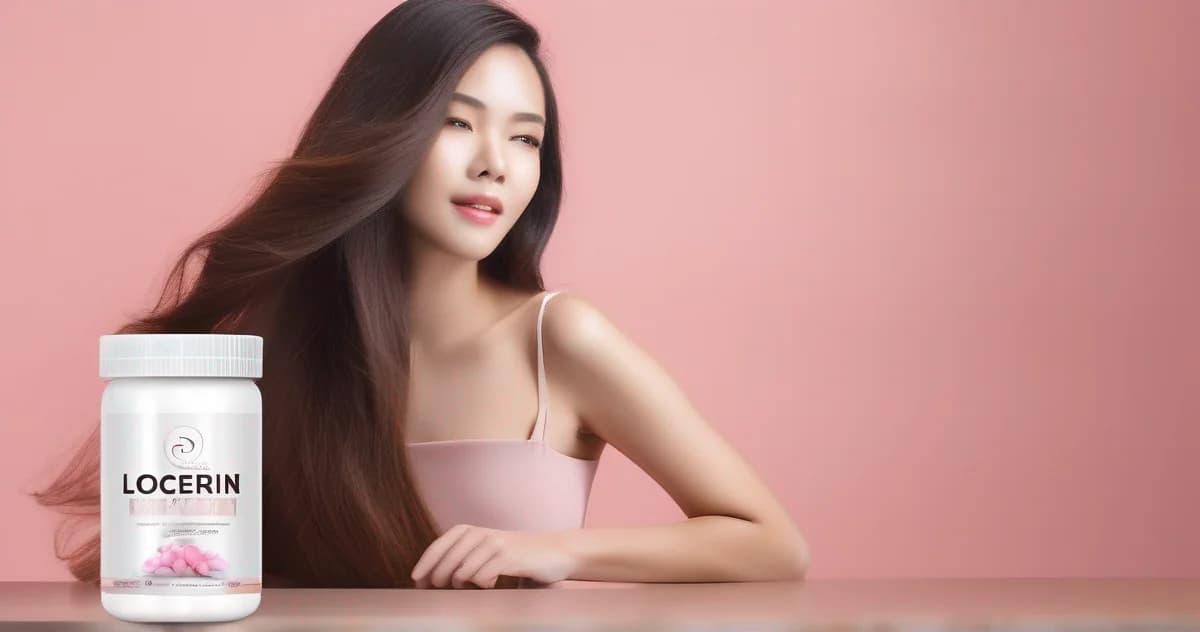
This is where a targeted supplement like Locerin can be especially helpful. Locerin contains a blend of vitamins, minerals, and plant extracts — including biotin, zinc, selenium, and horsetail extract — that specifically support hair health during times of nutritional stress.
If you're dieting and noticing more shedding than usual, adding a comprehensive hair supplement to your routine can help fill nutritional gaps your diet might be leaving behind.
5. Manage Your Stress
Weight loss journeys can be emotionally taxing. Stress itself is a major hair loss trigger. Meditation, yoga, gentle walks — find what helps you decompress. Read our guide on breaking the stress-hair loss cycle.
When to See a Doctor
If your hair loss continues for more than six months, or if you notice bald patches rather than general thinning, it's time to consult a healthcare provider. They can check for underlying conditions like thyroid disorders or iron deficiency anemia that might need specific treatment.
The Bottom Line
Weight loss doesn't have to come at the cost of your hair. By taking a balanced approach to dieting, ensuring adequate nutrition, and supporting your body with the right supplements, you can reach your goals while keeping your hair thick and healthy. Your body — and your hair — deserve that kind of care.
Disclaimer: This article is for informational purposes only. Locerin is a dietary supplement, not medicine. Please consult your healthcare provider before starting any new supplement regimen.
Related articles

Iron Deficiency and Hair Loss: The Hidden Connection
Discover why iron deficiency might be the real culprit behind your thinning hair and learn how to address this common nutritional gap that affects millions of women.

Stress and Hair Loss: How to Break the Vicious Cycle
Discover the surprising connection between stress and hair loss, plus practical strategies to protect your hair during challenging times.
Ultimate Hair Growth Diet: Foods That Transform Your Hair
Discover the science-backed foods and nutrients that promote healthy hair growth from a certified nutritionist's perspective.