Vitamin D and Hair Loss: The Surprising Connection

Have you been shedding more hair than usual, even though you're eating well and managing stress? The culprit might be hiding in plain sight—or rather, in the lack of sight. I'm talking about vitamin D, the "sunshine vitamin" that plays a bigger role in hair health than most people realize.
Why Vitamin D Matters for Your Hair
Here's something that surprised me when I first learned about it: your hair follicles actually have vitamin D receptors. These receptors are like tiny gatekeepers that help regulate the hair growth cycle. When you don't have enough vitamin D, those receptors can't do their job properly, and your hair growth cycle gets disrupted.
Think of it this way—vitamin D helps create new hair follicles and keeps existing ones in the active growth phase longer. Without adequate levels, your hair might enter the resting phase too early, leading to increased shedding and thinner hair over time.
Research has shown that women with hair loss often have lower vitamin D levels compared to those with healthy hair. While it's not the only factor in hair loss (hormones, genetics, and nutrition all play a role), addressing a vitamin D deficiency can make a real difference.
Are You at Risk for Vitamin D Deficiency?
You might think that living in a sunny place means you're getting enough vitamin D. But here's the thing—many women, especially in Vietnam, avoid direct sun exposure to protect their skin from aging and dark spots. That's completely understandable, but it can lead to vitamin D deficiency without you even realizing it.
Other factors that increase your risk include:
- Spending most of your time indoors (office work, remote jobs)
- Using high SPF sunscreen regularly (necessary for skin protection, but it blocks vitamin D production)
- Having darker skin (requires more sun exposure to produce the same amount of vitamin D)
- Being overweight (vitamin D gets trapped in fat cells)
- Following a strict vegan diet (few plant-based vitamin D sources exist)
If you're experiencing unexplained hair thinning or shedding, it's worth checking your vitamin D levels with a simple blood test.
Getting Your Vitamin D Levels Back on Track
The good news? Addressing vitamin D deficiency is relatively straightforward. Here's what I recommend:
1. Smart Sun Exposure
Aim for 10-15 minutes of sun exposure on your arms and legs a few times per week, preferably in the morning when UV rays are less intense. You don't need to sunbathe—just taking a morning walk can help. After that brief exposure, definitely apply your sunscreen.
2. Vitamin D-Rich Foods
While food alone rarely provides enough vitamin D, these sources can help:
- Fatty fish like salmon, mackerel, and sardines
- Egg yolks
- Mushrooms exposed to UV light
- Fortified foods like milk and orange juice
For more on how diet affects hair health, check out our complete nutrition guide.
3. Quality Supplements
This is where many women see the most significant improvement. A daily vitamin D supplement can help you reach optimal levels, especially if you're indoors most of the day.
Look for supplements that combine vitamin D with other nutrients that support hair health. For instance, vitamin C helps with iron absorption, which is crucial for hair growth. And maintaining a healthy scalp environment allows your hair follicles to respond better to vitamin D.
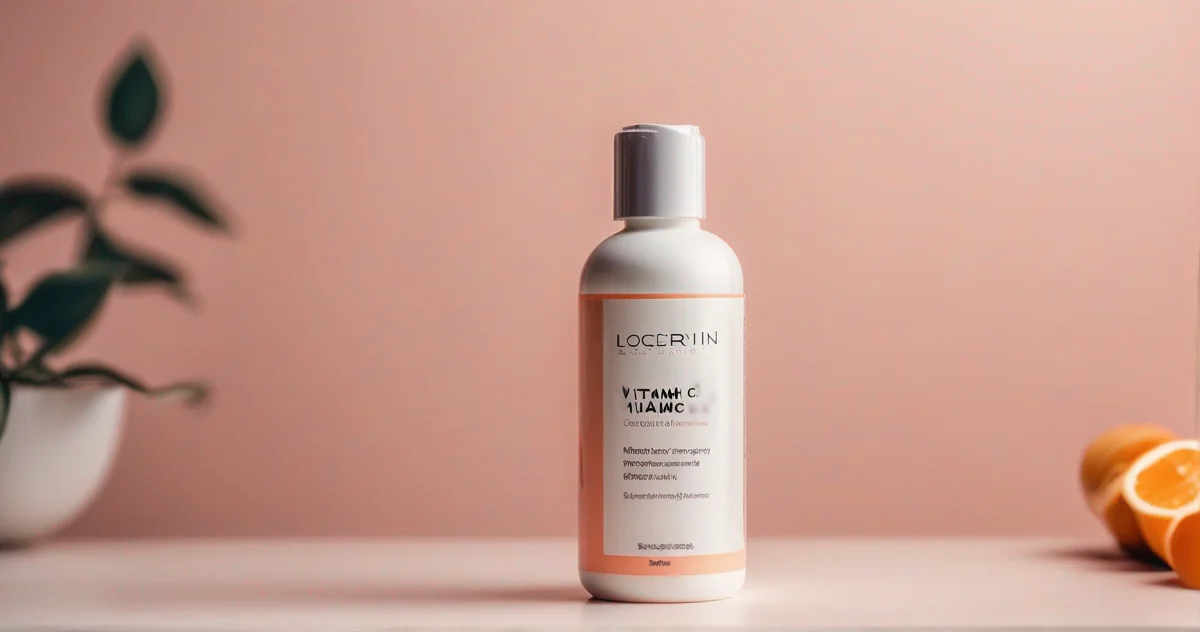
Comprehensive supplements like Locerin are designed with this synergy in mind, combining multiple nutrients that work together to support hair health from the inside out.
How Long Until You See Results?
I wish I could say you'll see results overnight, but hair growth requires patience. The hair growth cycle takes about three months, so if you start addressing a vitamin D deficiency today, you'll likely notice less shedding within 2-3 months, with new growth becoming visible around the 4-6 month mark.
Consistency is key here. Taking your supplement sporadically won't give you the results you're looking for. Make it part of your daily routine, just like brushing your teeth.
The Bottom Line
Vitamin D deficiency is incredibly common, yet it's often overlooked when women are trying to figure out why their hair is thinning. If you've tried various hair treatments without success, checking your vitamin D levels might reveal the missing piece of the puzzle.
Remember, hair loss usually has multiple contributing factors. While optimizing your vitamin D levels can make a real difference, it works best as part of a holistic approach that includes proper nutrition, stress management, and quality hair care habits.
Disclaimer: This article is for informational purposes only. Locerin is a dietary supplement, not medicine. Please consult your healthcare provider before starting any new supplement regimen.
Related articles
Vitamin C for Hair Growth: The Antioxidant Connection
Learn how vitamin C supports healthy hair growth through collagen production and iron absorption, plus the best ways to get this essential nutrient for stronger, thicker hair.

Iron Deficiency and Hair Loss: The Hidden Connection
Discover why iron deficiency might be the real culprit behind your thinning hair and learn how to address this common nutritional gap that affects millions of women.

Healthy Scalp, Healthy Hair: Your Complete Guide
Discover why scalp health is the foundation of beautiful hair and learn practical strategies to nurture your scalp for optimal growth.