Biotin & Hair Health: Your Essential Vitamin Guide
Introduction
Have you ever wondered why your hair just doesn't seem as thick and vibrant as it used to be? You're not alone. Thousands of women notice gradual hair thinning and don't realize that something as simple as a vitamin deficiency might be the culprit.
Today, let's talk about biotin—often called "the hair vitamin"—and why it might be the missing piece in your hair care puzzle. I'll share what I've learned from years of working with women who've transformed their hair health through better nutrition.
What Exactly Is Biotin?
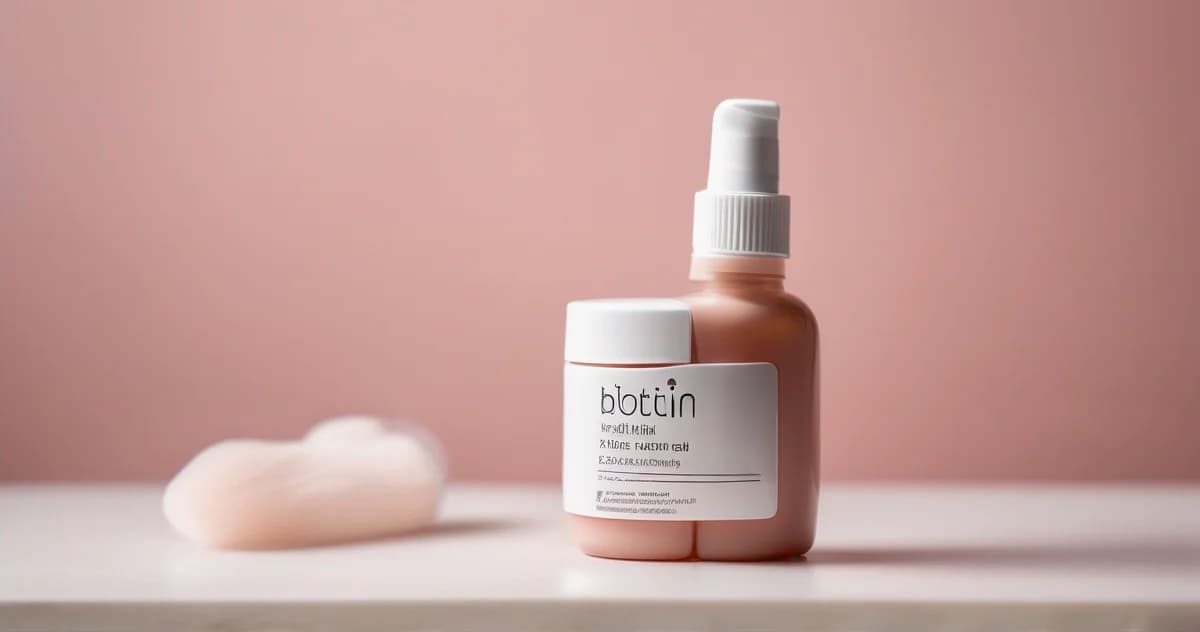
Biotin, also known as vitamin B7 or vitamin H, is a water-soluble vitamin that plays a crucial role in hair health. Think of it as your hair's construction worker—it helps build the keratin infrastructure that makes up your hair strands.
Why Your Body Needs Biotin
Your body uses biotin for several essential functions:
- Keratin production - The protein that forms hair structure
- Cell growth - Supporting healthy hair follicles
- Metabolism support - Converting nutrients into energy for hair growth
- Scalp health - Maintaining the environment where hair grows
The interesting thing? Your body doesn't store biotin for long periods, which means you need a consistent supply through diet or supplements.
Signs You Might Be Biotin Deficient
How do you know if you're not getting enough biotin? Here are some telltale signs:
Common Symptoms
- Progressive hair thinning - Especially noticeable at the crown
- Brittle, breaking hair - Strands that snap easily when styling
- Slow hair growth - Your hair seems stuck at the same length
- Dry, flaky scalp - Often mistaken for dandruff
- Dull, lackluster hair - Missing that natural shine
I've seen many women dismiss these signs as "just aging" or "stress," but a simple nutrient deficiency could be at play.
How Much Biotin Do You Actually Need?
The recommended daily intake varies, but most experts suggest:
- Adults: 30 mcg per day (minimum)
- For hair health: 2,500-5,000 mcg per day
- Pregnancy/breastfeeding: 30-35 mcg per day
It's worth noting that biotin is water-soluble, meaning your body eliminates excess amounts rather than storing them. This makes it relatively safe to take higher doses for hair health.
Natural Sources of Biotin
Before reaching for supplements, let's look at what you can find in your kitchen. Here are excellent food sources:
Top Biotin-Rich Foods
| Food | Biotin Content | Serving Size |
|---|---|---|
| Egg yolks | 10 mcg | 1 large egg |
| Almonds | 1.5 mcg | 1/4 cup |
| Sweet potatoes | 2.4 mcg | 1/2 cup |
| Spinach | 0.5 mcg | 1/2 cup cooked |
| Salmon | 5 mcg | 3 oz |
| Avocado | 2 mcg | 1 whole |
Fun fact: Raw egg whites actually block biotin absorption! Always cook your eggs for maximum benefit.
The Biotin and Hair Growth Connection
So how does biotin actually help your hair? The science is pretty fascinating.
How Biotin Works
When you consume biotin, your body uses it to:
- Strengthen the hair shaft - Making each strand more resilient
- Improve follicle function - Supporting the root where growth begins
- Reduce breakage - Decreasing the hair you lose daily
- Enhance texture - Improving smoothness and manageability
Most women notice changes within 3-6 months of consistent biotin supplementation. Yes, it takes patience—your hair doesn't transform overnight!
Should You Take a Biotin Supplement?
This is where things get personal. While food sources are ideal, many women benefit from targeted supplementation, especially if you:
- Follow a restricted diet (vegetarian, vegan, or low-carb)
- Are experiencing noticeable hair thinning
- Have digestive issues affecting nutrient absorption
- Are pregnant or breastfeeding
Choosing the Right Supplement
Look for formulas like Locerin that combine biotin with other hair-supporting nutrients:
- Vitamin E - For scalp circulation
- Zinc - Supporting hair tissue repair
- Iron - Preventing deficiency-related hair loss
- B-complex vitamins - Working synergistically with biotin
A comprehensive approach always beats single-nutrient supplementation.
Beyond Biotin: A Holistic Approach
Here's something I always tell my clients: biotin is powerful, but it's not magic. The best results come from a holistic strategy.
Your Complete Hair Health Plan
Nutrition First
- Eat a varied, nutrient-rich diet
- Include adequate protein (hair is mostly protein!)
- Stay hydrated—dehydration shows in your hair
Smart Supplementation
- Choose comprehensive formulas over single nutrients
- Be consistent—take supplements daily
- Give it time—minimum 3 months before evaluating results
Gentle Hair Care
- Minimize heat styling and chemical treatments
- Use gentle, sulfate-free products
- Protect hair from sun and environmental damage
Stress Management
- Chronic stress depletes nutrients, including biotin
- Practice self-care and relaxation techniques
- Get adequate sleep for cellular repair
Want more details on nutrition for hair? Check out our complete guide to hair growth diet.
Real Results: What to Expect
Let me be honest with you—biotin isn't a miracle cure, but it can make a real difference when used properly.
Timeline for Results
- Weeks 1-4: Minimal visible changes; your body is adjusting
- Weeks 5-12: Reduced hair shedding; new baby hairs may appear
- Months 3-6: Noticeable improvement in thickness and texture
- 6+ months: Full benefits; stronger, healthier hair growth
The key? Consistency. Taking biotin occasionally won't give you the results you want.
Common Myths About Biotin
Let's bust some misconceptions I hear regularly:
Myth #1: "More biotin = faster results"
- Reality: Your body can only use so much; excess is eliminated
Myth #2: "Biotin causes acne"
- Reality: Rarely, and usually only at very high doses (10,000+ mcg)
Myth #3: "Biotin works instantly"
- Reality: Hair growth is gradual; expect 3-6 months for results
Myth #4: "You can't get enough biotin from food"
- Reality: A balanced diet provides adequate amounts for basic health, but therapeutic doses for hair restoration often require supplementation
Conclusion
Biotin is indeed a crucial nutrient for healthy hair growth, but it's just one piece of a larger puzzle. The best approach combines biotin-rich foods, quality supplementation when needed, proper hair care, and overall wellness.
If you're experiencing hair thinning, consider whether biotin deficiency might be contributing. Start with improving your diet, then consider a comprehensive supplement like Locerin that addresses multiple aspects of hair health—not just biotin alone.
Remember, your hair is a reflection of your internal health. Nourish your body well, give your changes time to work, and be patient with the process. Beautiful, healthy hair is absolutely achievable!
Disclaimer: This article is for informational purposes only. Locerin is a dietary supplement, not medicine. Please consult your healthcare provider before starting any new supplement regimen.
Related articles

Understanding Hormonal Hair Loss in Women: Causes and Solutions
Discover why hormonal changes trigger hair loss in women and learn practical strategies to restore healthy hair growth naturally.
Ultimate Hair Growth Diet: Foods That Transform Your Hair
Discover the science-backed foods and nutrients that promote healthy hair growth from a certified nutritionist's perspective.
Getting Started with Healthy Hair: A Complete Guide
Discover the essential steps to achieve and maintain healthy, beautiful hair with science-backed tips and expert advice.